

Building a Greener Future: Insights on Healthcare Innovation from Marina Smelyanskaya and Alissa Monk

Building a Greener Future
Insights on Healthcare Innovation from Marina Smelyanskaya and Alissa Monk
As the healthcare sector grapples with the dual challenges of providing quality care and addressing climate change, industry leaders like Marina Smelyanskaya from the United Nations Development Program (UNDP) and Alissa Monk of ten23 are pioneering efforts to drive sustainability. Their work emphasizes the urgent need for climate-resilient healthcare systems and highlights actionable strategies that can lead the way.
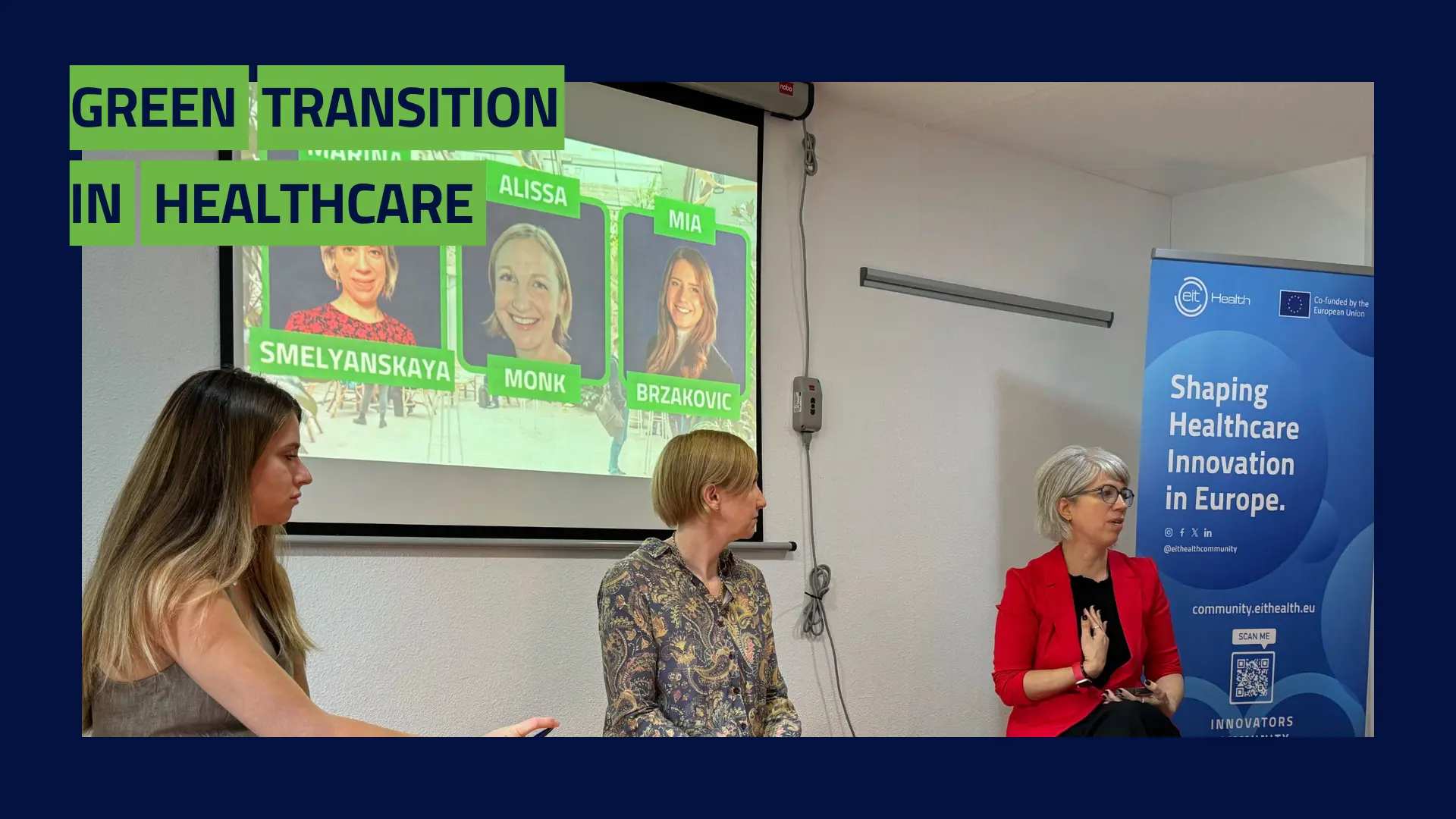
Climate and Health: A Critical Intersection
Smelyanskaya’s expertise spans from computer engineering to addressing global health crises like the HIV epidemic in Russia. Through her career she has explored the link between climate change and the resurgence of epidemics. She points out that healthcare contributes 4-5% of global CO2 emissions, with Scope 3 emissions (supply chain, energy use, and facility operations) accounting for a large share.
Her central question resonates across the industry:
"What innovations can healthcare and pharma adopt to reduce their carbon footprint?" - Marina Smelyanskaya
Smelyanskaya highlights several areas for improvement:
-
Supply chain management
-
Waste reduction
-
AI and advanced technology
-
Circular economy principles
Sometimes, even simple interventions can create significant impacts. She shares the example of a nurse who reduced glove usage in her hospital by 70% in favor of handwashing, cutting waste and improving patient care.
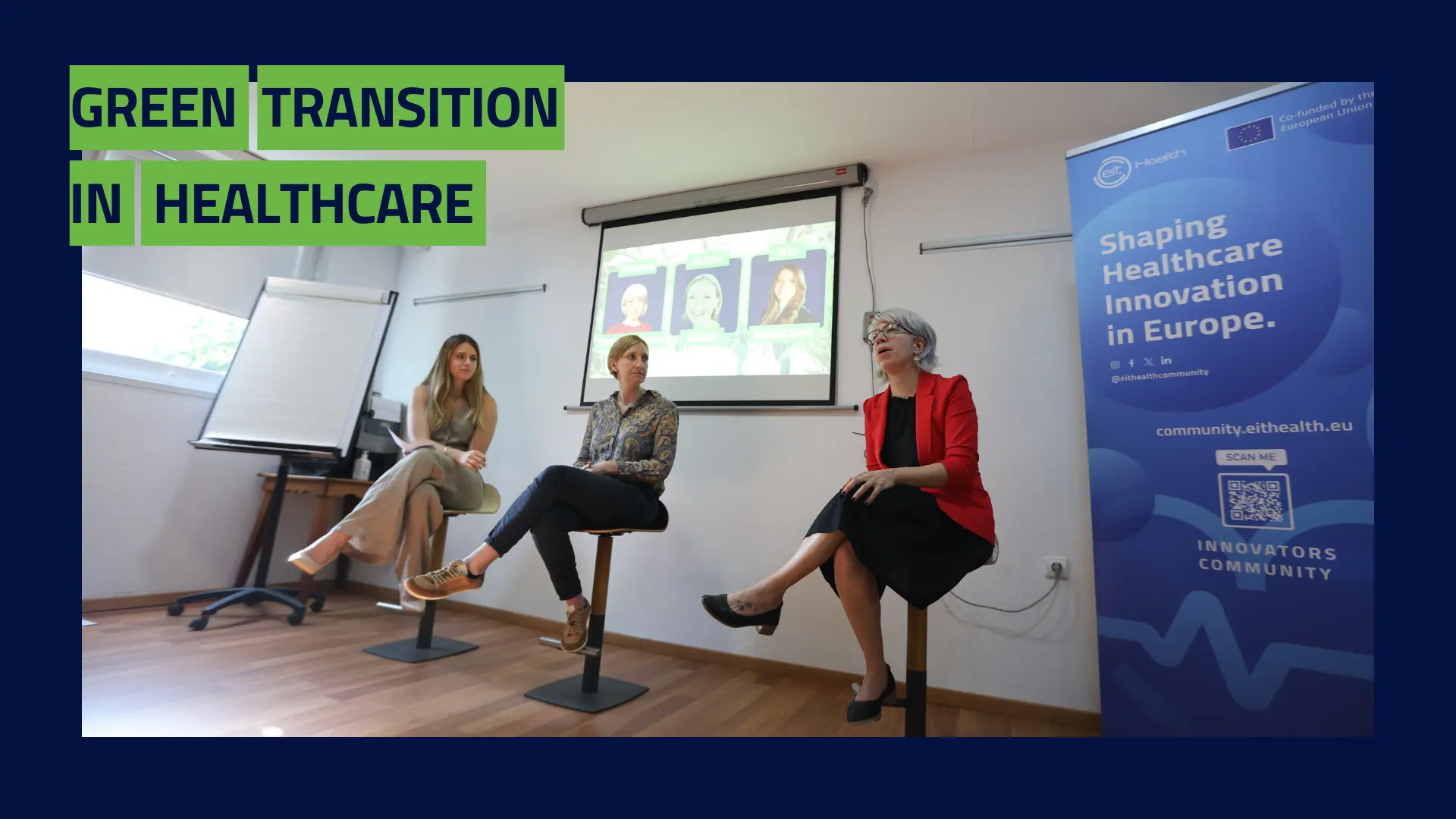
UNDP’s Global Initiatives: Smart and Sustainable Solutions
The UNDP, operating in over 120 countries, actively promotes sustainable healthcare practices. In developing regions, their sustainable procurement initiatives help reduce greenhouse gas emissions. Smelyanskaya cites England and Spain as examples of nations committing to net-zero emissions by 2050, driven largely by green procurement.
To tackle energy instability in some areas, the UNDP has supported healthcare facilities by installing solar panels. Globally, efforts such as reducing laughing gas use in Sweden and leveraging AI for telemedicine in France further illustrate how smart solutions can drive sustainability.
Tackling Supply Chain and Manufacturing Challenges
One of the greatest challenges lies in healthcare procurement, particularly in the pharmaceutical industry. Smelyanskaya identifies India's coal-reliant pharmaceutical production as a key concern. Tracking emissions across the supply chain remains difficult but essential. She stresses the importance of workforce training and gender equity, noting that with women making up a majority of healthcare workers, their active participation in sustainability initiatives is crucial.
The Role of Partnerships and Government Action
Long-term partnerships and collaborations across sectors are essential to advancing sustainability. Smelyanskaya emphasizes that governments must play a stronger role through regulations and incentives. Supporting countries with limited resources will require tailored strategies to ensure they can transition to greener practices without compromising healthcare delivery.
Sustainable Pharma: Insights from Alissa Monk
Alissa Monk of ten23, a Contract Development and Manufacturing Organization (CDMO), advocates for balancing the triple bottom line - people, planet, and profit. Her company demonstrates that sustainability can align with profitability, even in an industry where short-term gains often overshadow long-term investments.
However, Monk highlights that financial incentives specific to healthcare sustainability are limited. While some European countries offer subsidies for renewable energy, the healthcare and pharmaceutical sectors lack robust support mechanisms. Developing nations often rely on tax incentives and long-term agreements to promote sustainable practices.
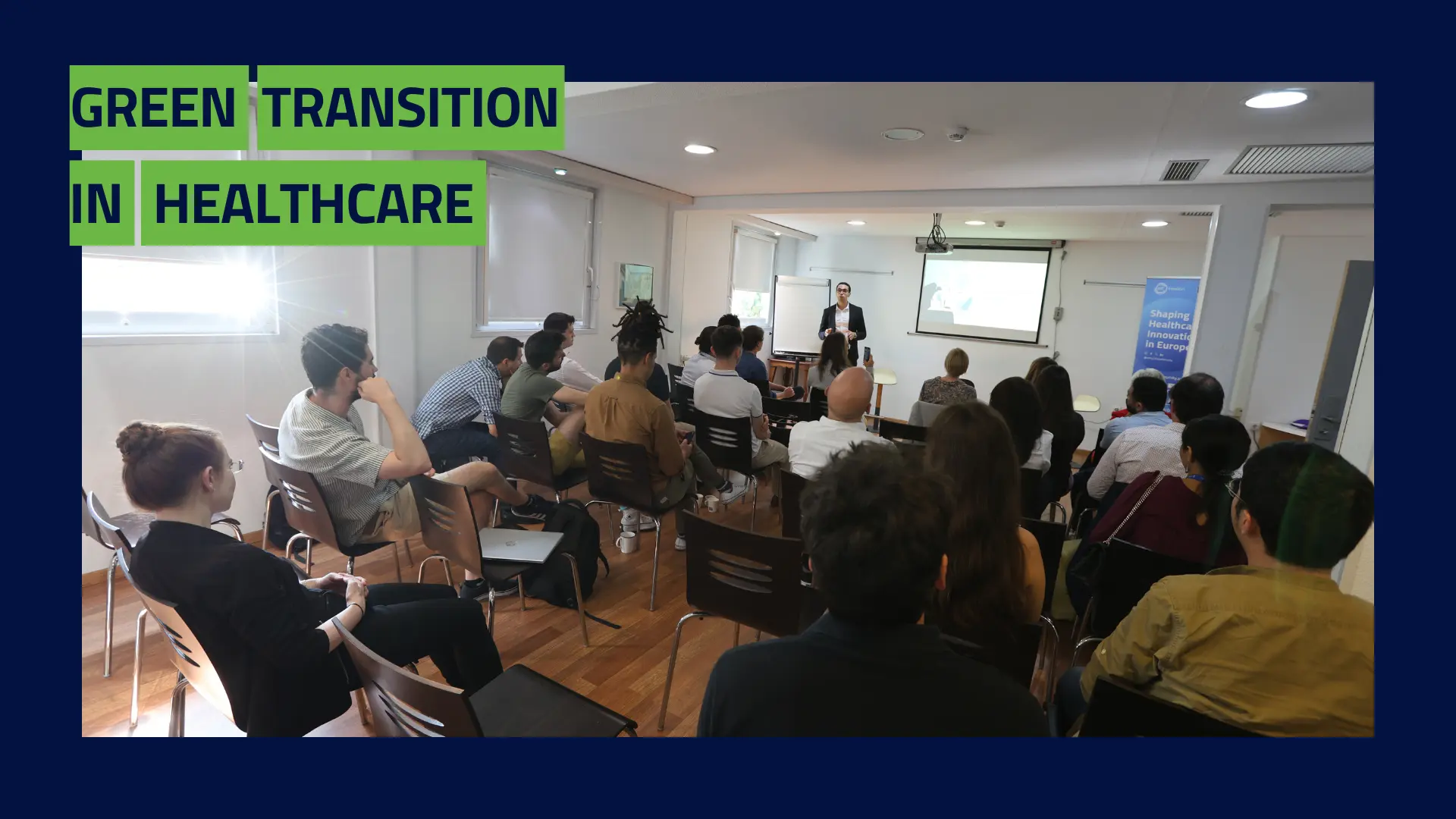
Startups and Innovation
Monk emphasizes the role of startups as agile innovators in healthcare sustainability. Yet, gaining visibility and participating in large-scale projects can be a challenge for smaller companies. Platforms like UN events provide valuable opportunities to amplify their voices.
Monk also calls for more data across the healthcare value chain, particularly in waste management and environmental impact assessments. Holistic approaches are vital to prevent solving one problem at the expense of creating another, such as water contamination from improperly managed pharmaceutical waste.
Government’s Role in Driving Change
While Monk prefers proactive industry leadership, she acknowledges the complexity of shifting large corporations toward sustainability. Governments must step in with stronger enforcement of green policies. Her company has achieved carbon neutrality and is now exploring partnerships to develop a net-zero emission medicine production process.
Monk highlights collaborations with eco-design consortia and hospitals, focusing on reducing medication waste through precise purchasing strategies. Partnerships with institutions like University Hospital Basel help integrate sustainable practices into healthcare operations.
A Call to Action
Both Smelyanskaya and Monk stress the importance of persistence and collaboration. Smelyanskaya’s parting message is clear: The future of healthcare lies in climate resilience. Long-term partnerships, smart systems, and innovative approaches will be key to creating sustainable healthcare systems that benefit both people and the planet.
- For healthcare innovators, the path forward is clear:
- Embrace smart technology to optimize healthcare operations.
- Invest in green procurement to reduce supply chain emissions.
- Foster partnerships across industries to drive systemic change.
- Improve health literacy and workforce training to support sustainability.
- Utilize data-driven insights to make informed decisions on waste and emissions.
The journey towards sustainable healthcare is challenging, but as these leaders demonstrate, it is both necessary and achievable.
